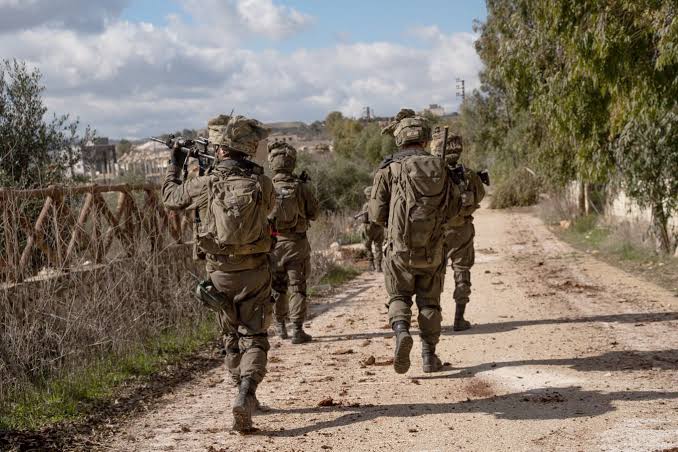

Israeli officials are engaged in ongoing negotiations with the United States over the future of its military presence in southern Lebanon, even as international pressure mounts for restraint following a fresh interim ceasefire agreement.
The deal, signed on Wednesday, seeks to pause hostilities tied to the broader regional conflict involving Iran. It calls for an end to fighting on multiple fronts, including Lebanon, while emphasizing respect for Lebanese sovereignty and territorial integrity. Despite the agreement, Israel has firmly rejected demands for a complete withdrawal from southern Lebanon.
Israeli forces entered the area in March in response to cross-border rocket fire from Hezbollah. The ensuing campaign has involved heavy strikes, widespread destruction in border villages, significant civilian displacement, and casualties on both sides. Hezbollah has maintained pressure in recent days, launching drone attacks on Israeli positions that have reportedly killed and injured troops.
Two Israeli officials, one of them a senior figure close to Prime Minister Benjamin Netanyahu, described the discussions with Washington as tense. Disagreements center on how long Israeli troops should remain inside Lebanese territory.
On Thursday, the Israel Defense Forces (IDF) released an updated operational map showing its forces operating deeper into southern Lebanon than previously disclosed. The expanded zones, highlighted in dark red, stretch several kilometers further north, reaching areas near Nabatieh, a Hezbollah stronghold south of the Litani River.
Military officials said troops have been active in parts of these areas for weeks, but the new map marks the first public acknowledgment of the broader footprint. The IDF characterized the territory as a “security zone” where its soldiers are operating, underscoring that the deployment is temporary and aimed at neutralizing threats.
Tensions between Jerusalem and Washington have also emerged over the wider US-brokered arrangement related to Iran. Israeli officials have criticized the deal for insufficiently addressing Tehran’s nuclear program and potentially limiting Israel’s operational freedom in Lebanon. US President Donald Trump has reportedly voiced frustration with the intensity of Israel’s airstrikes and their effects on civilian infrastructure.
Nevertheless, Israeli leaders have signaled no immediate plans to pull back. One senior official indicated that the outcome hinges on whether the US applies direct pressure to enforce the interim agreement’s terms. There are currently no signs that American concerns will result in tangible steps, such as curbs on military aid or weapons shipments. Israel has increasingly justified its operations in parts of Lebanon, Gaza, and Syria as necessary “buffer zones” to shield its borders from armed militant groups.
Analysts note that the latest agreement contains notable ambiguities. Jonathan Rynhold of Bar-Ilan University pointed out that while the text references Lebanese sovereignty, implying an eventual Israeli withdrawal, the persistent threat from Hezbollah complicates implementation.

“The agreement stresses respect for territorial integrity, but Israel will likely maintain that ongoing security risks justify its continued operational presence,” Rynhold said. The situation remains dynamic, with military operations and diplomatic efforts unfolding in parallel as both sides navigate the fragile ceasefire.

 A story of courage, wonder, and the transformative power of self-belief; perfect for readers aged 10+ who love adventure. To place order: +234 806 130 3237 | +234 803 582 0870 OR Tap the link to grab a copy:https://www.zeekapublish.com/product/the-magical-life-of-anna