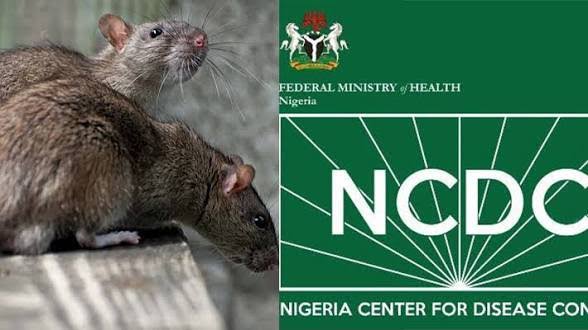
Nigeria has recorded 936 confirmed Lassa fever cases and 224 deaths so far in 2026, according to the latest situation report from the Nigeria Centre for Disease Control and Prevention (NCDC).
The case fatality rate now stands at 23.9 per cent, higher than the 18.9 per cent recorded during the same period in 2025. In Epidemiological Week 27, the country reported 14 new confirmed infections, a drop from 31 cases the previous week. The fresh cases were detected in Ondo, Edo, Bauchi, Benue and Kogi states.
Confirmed cases have been reported across 23 states and 113 local government areas. Five states account for 85 per cent of all infections this year: Ondo (30 per cent), Bauchi (25 per cent), Taraba (14 per cent), Edo (10 per cent) and Benue (6 per cent). The remaining 15 per cent of cases are spread across 18 other states.
The disease continues to affect mainly young adults. People aged 21 to 30 make up the largest share of confirmed cases. Patients range in age from one to 93 years, with a median age of 30. The male-to-female ratio among confirmed cases is 1:0.9.
No healthcare worker was infected during the reporting week. Both suspected and confirmed cases are higher than those recorded at the same point in 2025.
The National Lassa Fever Incident Management System remains active. During the week, the NCDC and partners trained health workers in Bauchi, Taraba, Ondo and Ebonyi on case management, infection prevention and control, screening and triage.
Community engagement sessions were held in Edo and Ondo states, targeting traditional and religious leaders, farmers and market women.
Other response measures include active case search and contact tracing in high-burden areas, distribution of personal protective equipment, laboratory testing for early diagnosis, and activation of emergency systems in Benue, Plateau, Kebbi, Kano, Gombe and Oyo. The agency has also developed a 30-day healthcare worker protection plan and reviewed national case management guidelines with partners.
The NCDC identified late presentation at health facilities, high treatment costs, poor environmental sanitation, low public awareness and earlier infections among healthcare workers as key factors behind the elevated fatality rate.
The agency urged state governments to maintain year-round community awareness campaigns, called on health workers to maintain a high index of suspicion and strictly follow infection prevention measures, and asked partners to continue supporting states to strengthen prevention, detection and response capacity.
Lassa fever is an acute viral haemorrhagic illness caused by the Lassa virus. It is primarily transmitted through contact with food or household items contaminated by the urine or faeces of infected rats, and can also spread between people through contact with bodily fluids. Symptoms typically begin with fever, weakness and headache, and can progress to bleeding, breathing difficulties, swelling and organ failure.
 A story of courage, wonder, and the transformative power of self-belief; perfect for readers aged 10+ who love adventure. To place order: +234 806 130 3237 | +234 803 582 0870 OR Tap the link to grab a copy:https://www.zeekapublish.com/product/the-magical-life-of-anna