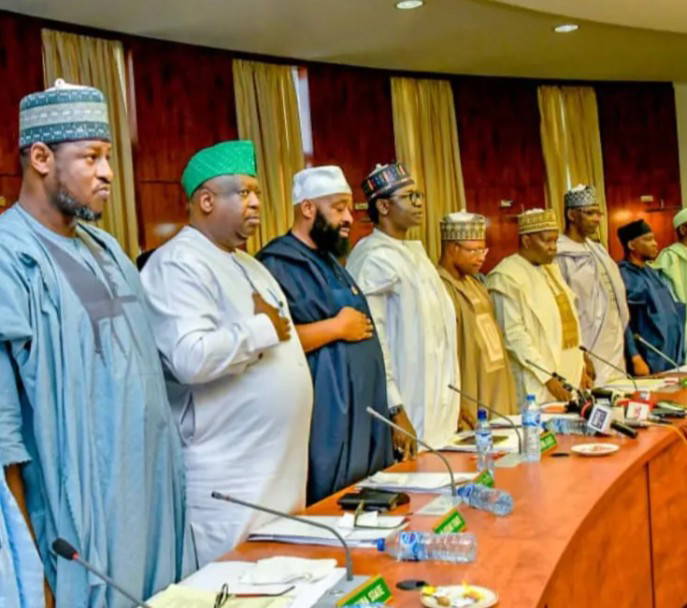
Nigeria’s 36 state governors have thrown their weight behind the immediate establishment of state police but are insisting on robust constitutional safeguards to protect subnational autonomy and ensure effective implementation.
The governors, under the aegis of the Nigeria Governors’ Forum (NGF), expressed strong support for state policing amid the country’s worsening security challenges. However, they raised significant concerns over key aspects of the proposed framework currently before the National Assembly.
According to sources at the NGF meeting held in Abuja, which extended into Thursday morning, the governors want policing moved from the Exclusive Legislative List to the Concurrent Legislative List. This shift would empower states and their Houses of Assembly to play a more active and direct role in legislating and managing their own police forces.
A major sticking point is the provision in the existing bill that would require individual states to seek approval from the National Assembly before establishing their police commands. The governors view this as undermining state autonomy and potentially opening the process to political interference.
“The framework that requires subnational heads to approach the National Assembly individually for approval would undermine the autonomy, responsiveness, and effectiveness of subnational policing structures,” a top NGF source said.
Funding is another critical area of concern. The proposed framework allocates three percent of the Federation Account to state police, a figure some governors argue would barely cover salaries, let alone equipment, training, and operations.
The Forum received a detailed presentation from its secretariat and state Attorneys-General on the proposed constitutional amendments. In the official communiqué read by Ogun State Governor Dapo Abiodun, the governors emphasized that the state police must be “constitutionally sound and aligned with federalism and citizens’ rights.” “The Forum noted the collaborative effort and added that the consultation outcomes would strengthen the states’ collective position,” Abiodun stated.
While there were no outright conditions set, the governors are actively engaging with federal lawmakers to refine the bill. Issues such as recruitment parameters, appropriate ratios of police to population, definitions of “light weapons,” training timelines, and sustainable funding models remain under discussion.
One source explained that standardized yardsticks such as police-per-thousand-people ratios are necessary to avoid anomalies across states with vastly different population sizes and security needs. The governors also stressed the need for safeguards to prevent states from creating forces they cannot adequately fund.
The push for state police has been gaining momentum, with the NGF having backed proactive framework development since April. Governors argue that localized policing is essential for tackling insecurity more effectively than the current centralized system.
In addition to the state police deliberations, the Forum also received updates on the National Solar Super-Grid Initiative aimed at expanding electricity access and endorsed the National Nutrition 774 Initiative to combat child malnutrition.
The NGF said ongoing consultations with stakeholders would help harmonize positions ahead of constitutional amendments.
 A story of courage, wonder, and the transformative power of self-belief; perfect for readers aged 10+ who love adventure. To place order: +234 806 130 3237 | +234 803 582 0870 OR Tap the link to grab a copy:https://www.zeekapublish.com/product/the-magical-life-of-anna