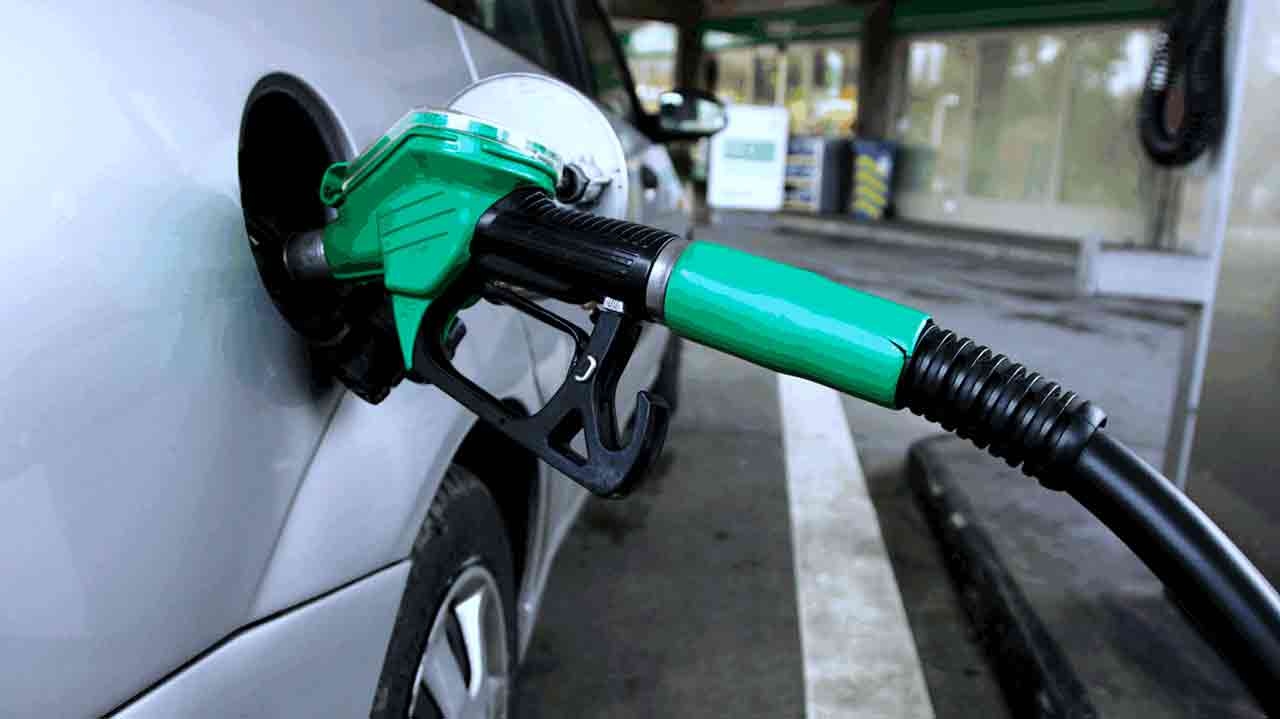
Nigerians are optimistic that pump prices of petrol could soon ease following a sharp decline in global crude oil prices triggered by the United States and Iran’s landmark peace agreement.
The deal, which includes the reopening of the strategic Strait of Hormuz on a toll-free basis and the lifting of the US naval blockade on Iranian ports, has eased geopolitical tensions that had disrupted global oil supply routes for months.
US President Donald Trump announced the framework agreement, with the formal signing scheduled for June 19 in Switzerland. The development has already sent crude prices tumbling. Brent Crude, which hovered around $92 per barrel at the end of May, has shed roughly $10 by mid-June, according to market reports.
The International Monetary Fund (IMF) welcomed the ceasefire, noting that the global economy has so far weathered the Middle East conflict without slipping into a slowdown. IMF Managing Director Kristalina Georgieva, in an analysis titled ‘Global Economy Endures War Shock—So Far,’ said commodity prices, inflation, and financial conditions had been impacted but not to the extent of signalling a broader downturn.
“More than three months into the war in the Middle East, the global economy appears to be holding up,” Georgieva stated, while cautioning that risks remain high if energy supply disruptions return.
In Nigeria, where fuel prices have seen repeated sharp hikes this year, the drop in international oil prices has raised hopes for relief at the pumps. Petrol prices climbed from N699 per litre in late January to a peak of N1,245 by late March. A modest reduction came on May 30 when Dangote Refinery lowered its ex-gantry price from N1,275 to N1,250 per litre. However, analysts warn that any downward adjustment in domestic pump prices may be gradual and limited.
Prof Emmanuel Nwosu, an economist at the University of Nigeria, Nsukka, pointed to the well-known “rocket and feathers” hypothesis, prices rise quickly like rockets but fall slowly like feathers. He expressed concern that oil marketers might resist passing on the full benefits of lower crude costs to consumers and called for government intervention to protect consumer interests while preserving regulatory independence.
Head of Energy and Power at Fidelity Bank, Emeka Nkemakolam, echoed this view, noting the historical pattern of asymmetrical pricing in Nigeria’s downstream sector. “Pump prices typically rise faster when crude oil prices increase but decline more slowly when crude prices fall,” he said. He added that the full impact of restored supply chains from the US-Iran deal would take time to materialise.
While the peace agreement brings cautious optimism, both experts and the IMF stress that uncertainties persist regarding the durability of the deal and its long-term effect on global energy markets.
 A story of courage, wonder, and the transformative power of self-belief; perfect for readers aged 10+ who love adventure. To place order: +234 806 130 3237 | +234 803 582 0870 OR Tap the link to grab a copy:https://www.zeekapublish.com/product/the-magical-life-of-anna