As World Cancer Support Month is observed this August, health and communication experts are urging a shift from general awareness to practical, actionable information that can help prevent cervical cancer in Nigeria.
The call came at the Naija Cancer Watch Fellowship, organised by Sebeccly Cancer Care to strengthen journalists’ understanding of cancer care and control. Speakers emphasised that cervical cancer remains one of the leading cancers among Nigerian women, yet it is largely preventable through HPV vaccination and regular screening.
Suleiman Haruna, Director of Public Relations and Protocol at the Federal Ministry of Information and National Orientation, identified key communication barriers: poor public awareness, misinformation, fear and stigma, reliance on unverified remedies, and limited knowledge of available screening services.
According to the Federal Ministry of Health and Social Welfare, Nigeria records about 13,676 new cervical cancer cases each year, with most diagnosed at advanced stages. Globally, the World Health Organization estimated that cervical cancer was the fifth most commonly diagnosed cancer among women in 2024, with approximately 604,000 new cases and 280,000 deaths. The highest rates occur in low- and middle-income countries where access to vaccination, screening and treatment remains limited.
Nearly all cases result from persistent infection with high-risk types of human papillomavirus (HPV). While most infections clear naturally, those that persist can lead to precancerous changes and, eventually, cancer. WHO recommends cervical screening starting at age 30 (or 25 for women living with HIV) to detect and treat abnormalities early. Women are also advised to seek care for symptoms such as unusual bleeding between periods, after menopause or after sex, unusual vaginal discharge, or persistent pain in the back, legs or pelvis.
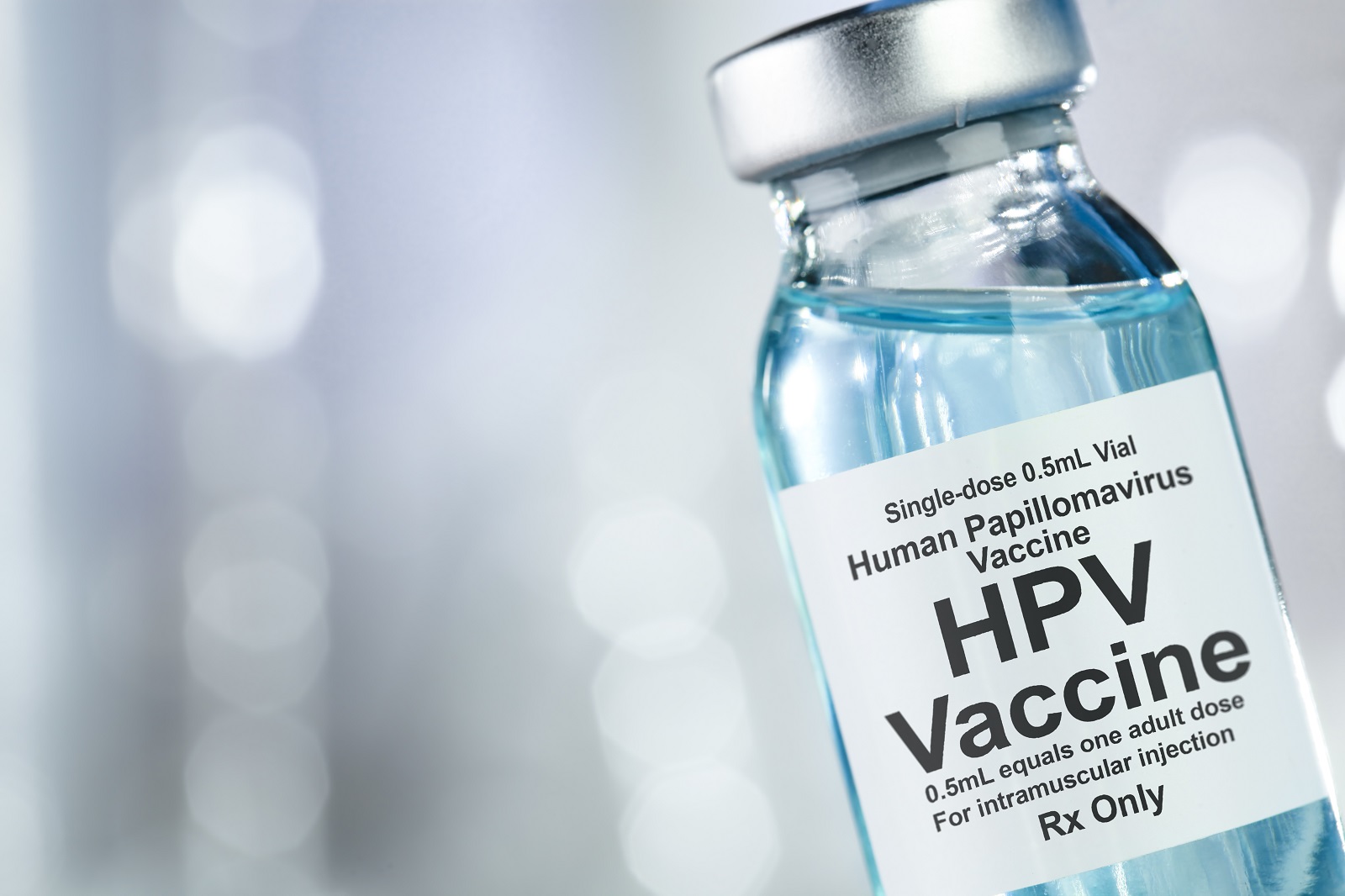
Nigeria introduced the HPV vaccine into its routine immunisation programme in October 2023, initially targeting 7.7 million girls aged 9 to 14 in 16 states and the Federal Capital Territory. The country’s approach aligns with WHO’s global elimination strategy, which aims for 90 per cent of girls fully vaccinated by age 15, 70 per cent of women screened by ages 35 and 45, and 90 per cent of women with precancer or invasive cancer receiving appropriate treatment by 2030.
Haruna stressed that effective communication is essential to cancer control. Journalists, he said, play a critical role in translating complex medical information into trusted, understandable messages. Sustained, culturally appropriate communication can help normalise routine screening, encourage early medical consultation and reduce the stigma surrounding a cancer diagnosis.
As World Cancer Support Month continues, experts say the focus must extend beyond supporting those already living with the disease. Expanding vaccination and screening access, combined with accurate public information, offers a clear path to preventing future cases and saving lives.
 A story of courage, wonder, and the transformative power of self-belief; perfect for readers aged 10+ who love adventure. To place order: +234 806 130 3237 | +234 803 582 0870 OR Tap the link to grab a copy:https://www.zeekapublish.com/product/the-magical-life-of-anna