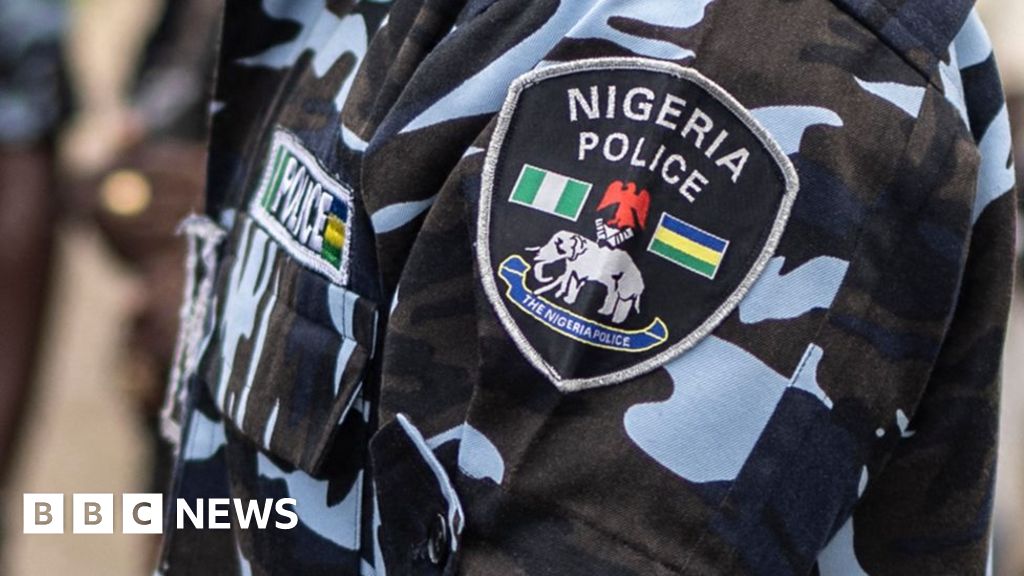
A recent survey of 256 Nigerians has found that corruption and misconduct within the Nigeria Police Force are major drivers of declining public confidence, with many citizens reluctant to share security information amid rising insecurity.
The research, conducted by journalist James Adakole Ojo and published in IRE Journals, shows that 84.8 percent of respondents believe corruption and misconduct reduce their confidence in the police. A similar share, 85.2 percent, said they do not believe the force treats citizens fairly or without bias.
Nearly seven in ten (67.6 percent) reported that officers in their communities fail to act professionally during interactions with the public. Broader trust indicators were also low: 62.9 percent said they do not trust the police to protect lives and property locally, while 72.7 percent lacked confidence in the force’s ability to respond effectively to security threats.
The findings indicate that distrust stems primarily from personal experiences rather than second-hand accounts. Although a majority expressed willingness to cooperate, 74.6 percent said they would report suspicious activities and 84.4 percent said they would share useful security information, cooperation is closely tied to perceptions of the force. Fifty-two percent of respondents said their readiness to provide intelligence depends on their level of trust, and 88.7 percent indicated they would be more willing to cooperate if that trust improved.
Fear remains a significant barrier. Some 68.4 percent of those surveyed said they do not feel safe sharing intelligence because of concerns about intimidation or victimisation. Only 35.2 percent trusted the police to keep information provided by citizens confidential.
The study draws on Institutional Trust Theory, which posits that public cooperation with institutions depends heavily on the trust those institutions command.
Nigeria continues to face serious security challenges, including criminal networks that leave many citizens feeling unsafe at home and on the roads. Citizen-generated intelligence is widely regarded as essential to addressing these threats, yet the survey highlights how eroded confidence undermines that channel of information.
Ojo’s research recommends that the Nigeria Police Force strengthen efforts to identify and discipline officers who engage in misconduct, introduce regular training focused on professional conduct and public engagement, and hold interactive community sessions to address grievances and rebuild relationships. It also calls for stronger confidentiality protections to reassure the public that shared information will not lead to retaliation.
In comments accompanying the study, Adakole stressed the stakes: “At a critical time in the country’s history, Nigerians need the police to dismantle rising criminal networks that have made many of them feel largely unsafe on the road and in their homes. Without public goodwill, however, this will be a tall order for the Nigeria Police Force to achieve. The police must therefore dissipate more effort and resources to build trust and address negative perceptions of the force through professionalism and improved efficiency in the discharge of its constitutional duties.”
 A story of courage, wonder, and the transformative power of self-belief; perfect for readers aged 10+ who love adventure. To place order: +234 806 130 3237 | +234 803 582 0870 OR Tap the link to grab a copy:https://www.zeekapublish.com/product/the-magical-life-of-anna