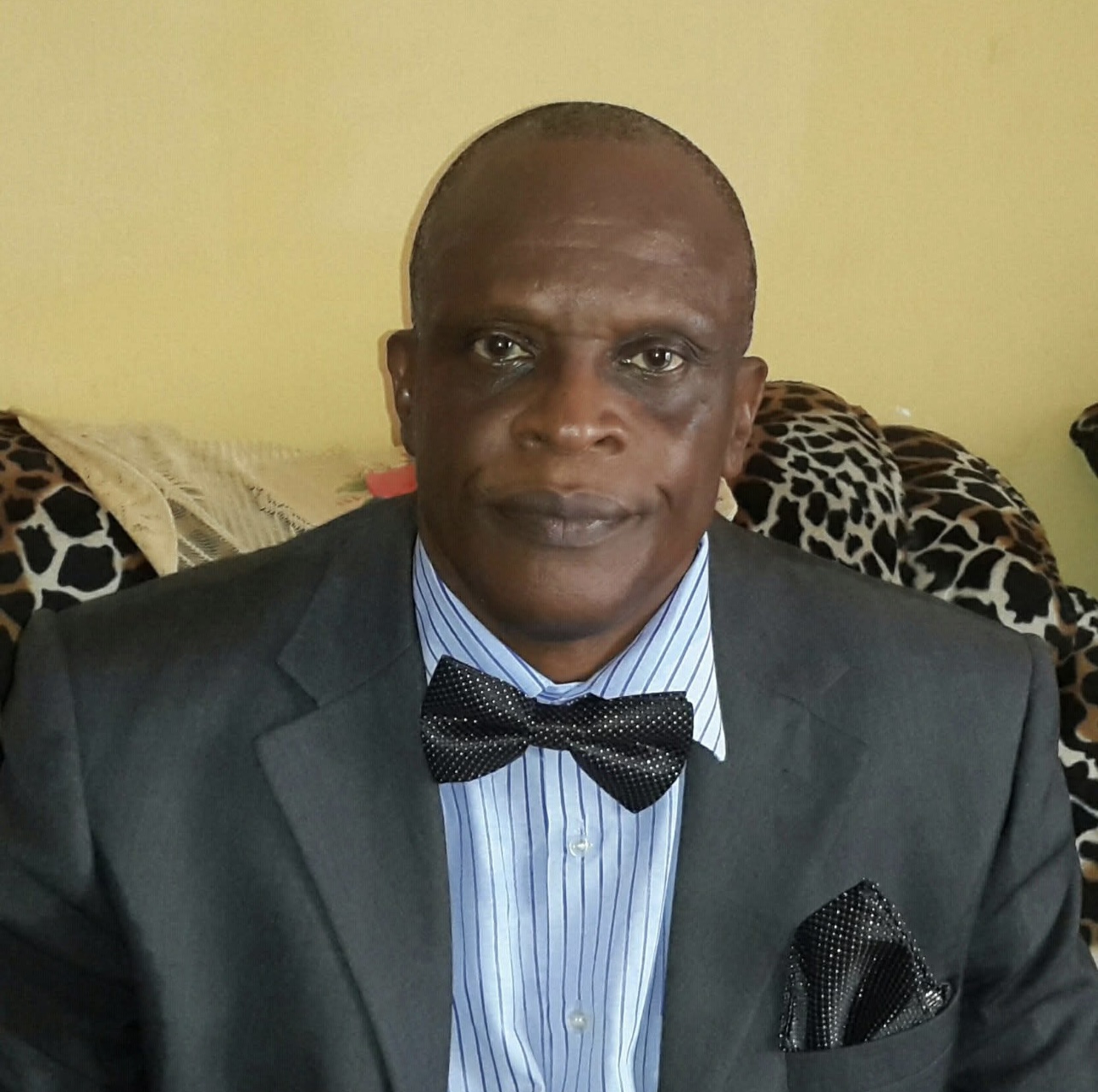
By Apostle Udo Azogu, SOMHG
Government, at its core, is a solemn mandate for sacrificial service toward the common good. It exists to uphold the welfare and security of the citizenry through robust democratic institutions, firmly anchored in accountability, justice, and transparency. These institutions thrive only when insulated from undue executive interference. Governance must not be reduced to a personality cult wherein a Governor surrounds himself with sycophants who extol his virtues while the state languishes and its people suffer deprivation.
It is imperative that we recalibrate our democratic expectations and make our Governors accountable. Public office is not a divine right – it is a temporal trust subject to scrutiny. Governor Hope Uzodinma, like all elected officials, is under constitutional and moral oath to uphold the truth and to render faithful stewardship to the people of Imo State. Citizens deserve full disclosure – both of revenue sources, including federal allocations and internally generated funds – and of corresponding expenditures. Constructing a handful of roads or launching cosmetic projects does not absolve the executive from the duty of transparent governance.
A pertinent question demands attention: Has the local government system in Imo State – so crucial to grassroots democracy – truly attained autonomy following the landmark Supreme Court ruling affirming such independence? Are the legislative and judicial arms functioning effectively as constitutional checks to the powers of the executive? Do religious institutions – churches and mosques – still serve as moral beacons of truth that uphold the impartial mind of God, or have they become partisan platforms for political appeasement?
Governor Uzodinma is often seen publicly with an outsized Bible. This symbolic gesture must be matched by visible truth and justice in leadership. His admonition to Local Government Chairmen – urging them to relocate and operate from their respective jurisdictions despite insecurity – is laudable in rhetoric. However, does he himself reside and govern from Owerri, the seat of government, or from Abuja? Leadership must begin with example, not theatrics.
On the matter of power rotation, there is an overwhelming consensus on its merit as a unifying mechanism that fosters inclusivity among the constituent zones. The Orlu zone has had an extended hold on the governorship, and equity demands that power now rotate to Owerri or Okigwe. Attempts to extend Orlu’s dominance beyond Governor Uzodinma’s tenure reflect a disregard for fairness and the collective will of Imo citizens. The age of manipulated elections and undemocratic impositions must end; the people must be allowed to choose their leaders freely and credibly.
Furthermore, interventionist agencies such as ISOPADEC (Imo State Oil Producing Areas Development Commission) and NDDC (Niger Delta Development Commission) were established to alleviate the harsh realities of environmental degradation in oil-producing communities. Unfortunately, these communities remain impoverished and abandoned, while political elites flourish. A comprehensive audit of Governor Uzodinma’s interventions in these impacted regions is both necessary and urgent.
It is disingenuous to blame democratic institutions for systemic failures while condoning a culture of hero worship that praises elected officials for performing the bare minimum. Institutional resilience is directly linked to the collective resolve of the citizenry to demand integrity, justice, and accountability in public service. The more Imo people sing the praises of Governor Hope Uzodinma, the more he elevates himself to a god-like status and treats the citizens as gullible subjects to be manipulated and abused with impunity.
Today, hunger and insecurity – twin plagues ravaging the state – can only be meaningfully addressed through empowered governance structures and a semi-autonomous security framework responsive to local realities.
As Governor Uzodinma prepares to exit Douglas House, he must understand this unassailable truth: no political title or foreign refuge can shield a leader from the inescapable demand of history and accountability. True legacy is not forged in the applause of sycophants but in the cries of justice answered and the trust of a people upheld.
Accountability must not be reduced to fiscal transparency alone. It must encompass a comprehensive reckoning with all forms of state-sanctioned injustice – including the specter of extrajudicial killings, enforced disappearances, unlawful detentions, and systemic suppression of dissent. This does not imply that the Governor is personally responsible for every killing or mishap in Imo State. Rather, it affirms that as the chief executive officer of the state, he is constitutionally empowered and duty-bound to ensure the protection of lives and the security of every citizen under his watch.
Moreover, in the spirit of objective assessment and balanced stewardship, it is important to acknowledge that there are indeed areas where Governor Hope Uzodinma has made commendable efforts. Certain infrastructure projects, administrative reforms, and security interventions – however limited or imperfect – represent attempts at governance that must be duly noted. These achievements, where verifiable, form part of his record and should be transparently accounted for, scrutinized, and improved upon. Genuine accountability does not negate progress; it contextualizes it within the broader spectrum of public service delivery.
 A story of courage, wonder, and the transformative power of self-belief; perfect for readers aged 10+ who love adventure. To place order: +234 806 130 3237 | +234 803 582 0870 OR Tap the link to grab a copy:https://www.zeekapublish.com/product/the-magical-life-of-anna